
 Image 1 of 5
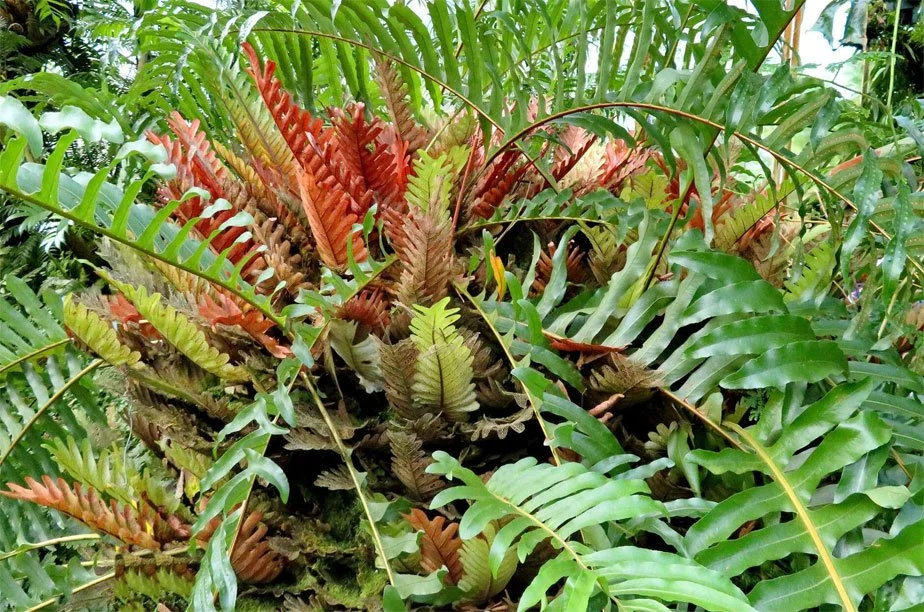 Image 2 of 5
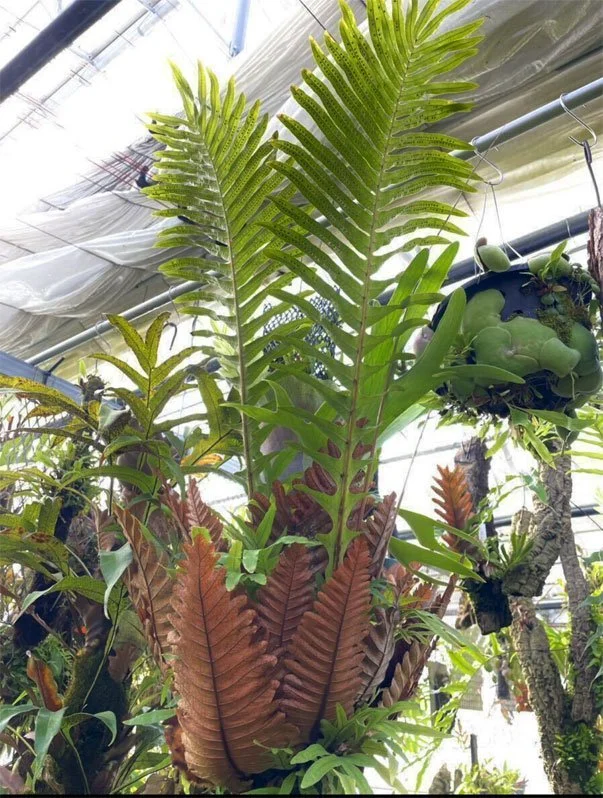 Image 3 of 5
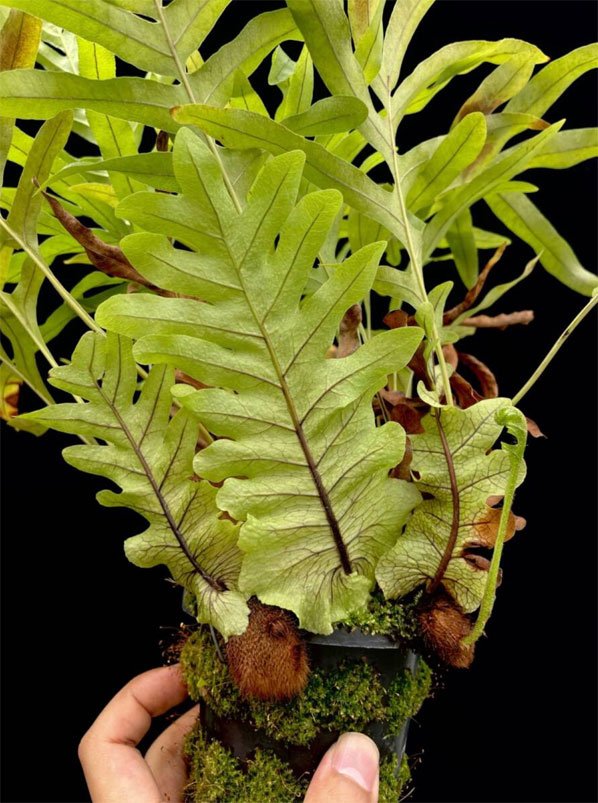 Image 4 of 5
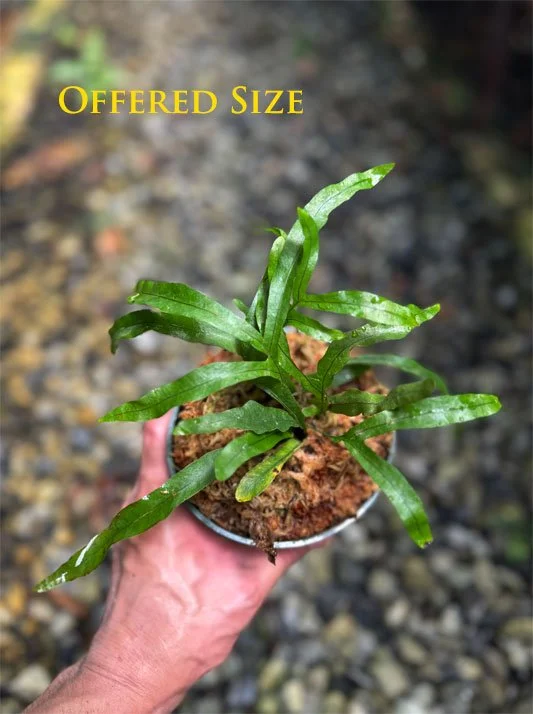 Image 5 of 5
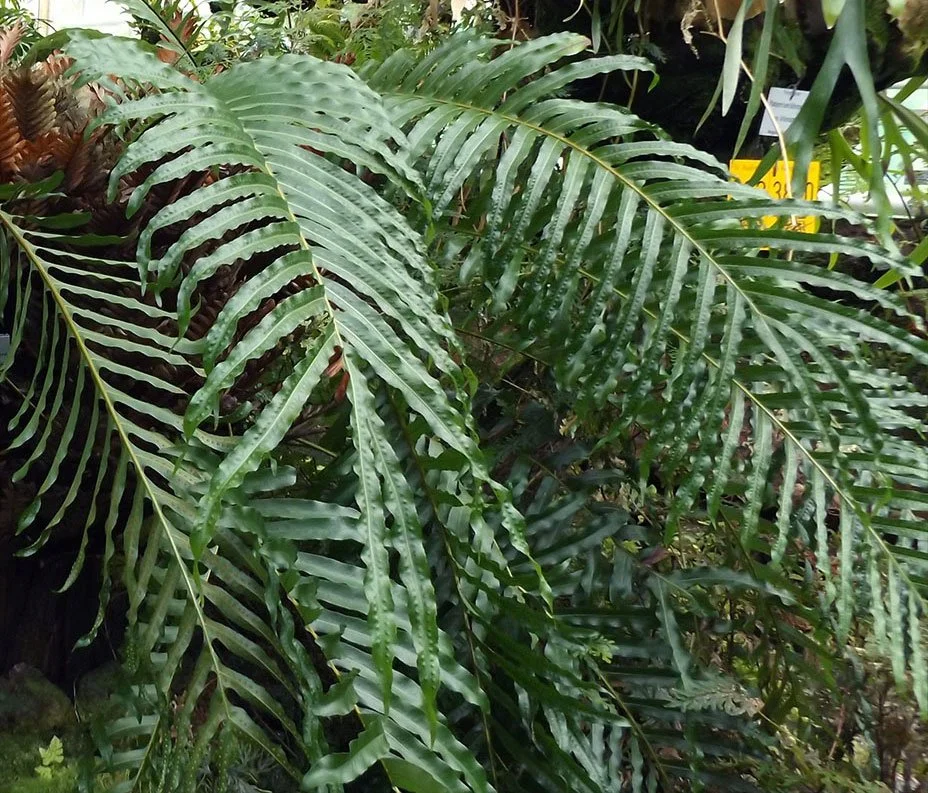
Only the species of the genus distributes in Africa, native to the islands of Comoros, Mauritius and Madagascar, while major population spans across Asia and Oceania. It is easily distinguished from its spotted rhizomes, which are tight creepers always spread overlapped the old ones, resembling a caudex plant like ant ferns. The colony are densely covered with fairly stiff sheld fronds usually rise at the beginning of the growing season and then follow by deeply lobed or pinnate, winged fronds that can grow to 2 ft. long and bear sori underside.
Similar to many plants originated from this region, this fern is considered a challenging species. The trouble often seen here is the melting of the inner rhizomes when the plants are larger and the shift of pH in the media also affects its growth. Need very careful watering when cultivated in pot or basket, or better mounted on a tree-fern plaque using high quality sphagnum.
Offered are starter plants, established in 4" pot