
 Image 1 of 3
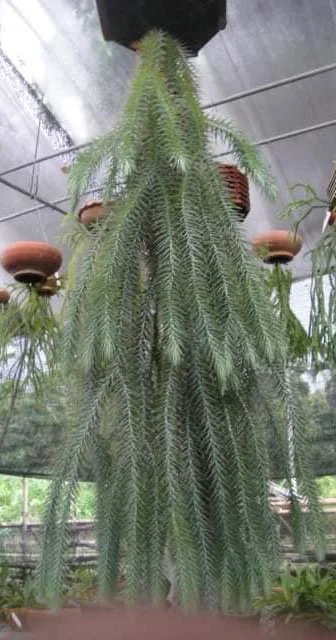 Image 2 of 3
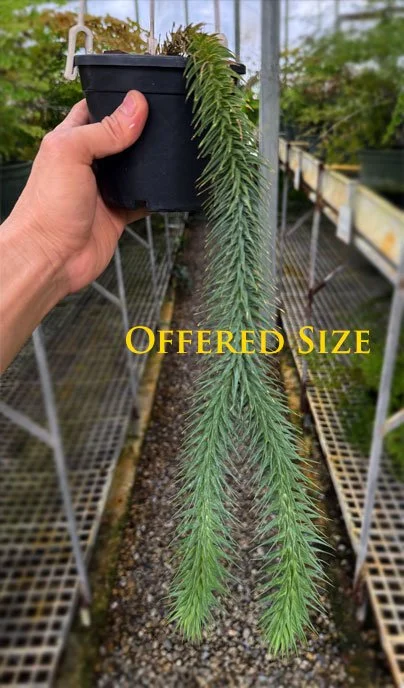 Image 3 of 3
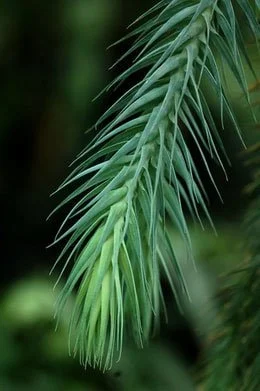
An exclusive collection of the rariest species and of course, the most sought after tassel fern. It differs from the related species, Huperzia gobelii by having large and rounded stems, reaching 1 cm. in diameter densely cover with needle and lobbed leaves in bluish-green color. Each stem usually stretches to 2 ft. before being pendant and reaches over 6 ft. when well care!
There are 3 clones of this species in our collection from Peninsular Malaysia, Northern Sumatra and New Guinea. The Malaysian type is the most intense blue color, and also the largest one, though they are the most challenging growers. Overall, If you succeed in cultivating Huperzia gobelii, your conditions will be well enough to this species. It needs the same light level Huperzia gobelii do well. In nature we always found them occurred together in old oil palm plantations.
Besides low growing, the major issue is that it does not well adapt to environmental fluctuation. Shifts in humidity and temperature affect germination of the growing points and may cause them wilt. When a tip dies, instead of being branched, a stem stops developing and you need to wait for a new one at base. This is how the challenge in cultivating this species.
Here they perform well when mounted on wooden or tree-fern plaques using NZ sphagnum. Need perfect air movement, warm, and above 70% humidity to thrive.
Offered are starterplants, established in 6" pot (approx. 30 cm. long)